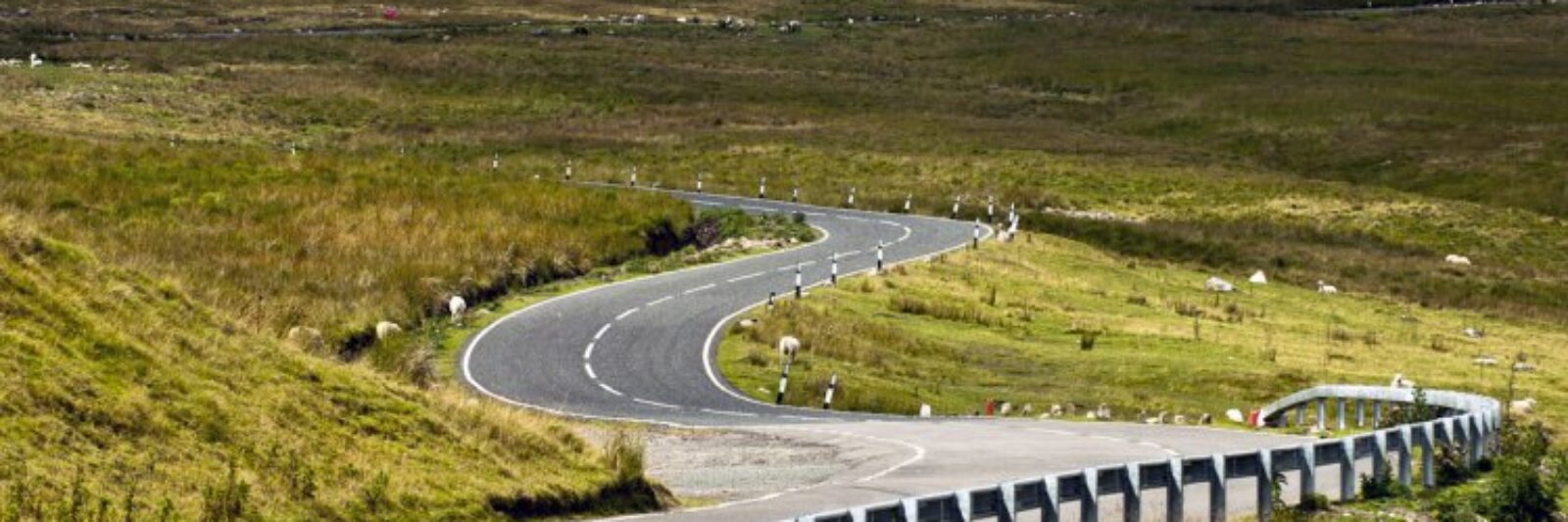

The Hidden History of the Black Mountain Road
The Black Mountain Road (A4069) is widely recognised as one of the most scenic drives in the UK, cutting through the wild western edge of the Brecon Beacons National Park.
Stretching between Llangadog and Brynamman, this remarkable route climbs to around 1,500 feet above sea level, delivering sweeping views across Wales.
But beyond the dramatic curves and panoramic vistas, this road tells a deeper story—one shaped by industry, hardship, and rebellion.
⸻
Why Start the Black Mountain Route from Llangadog?
Starting your journey from Llangadog offers a quieter, more authentic experience of the Black Mountain.
Unlike the more travelled southern approach, this side begins gently—through the lush farmland of the Towy Valley—before rising into open mountain landscape.
From here, you experience:
• A peaceful, uncrowded ascent
• A strong connection to local Welsh heritage
• A gradual reveal of the mountain’s dramatic scale
It’s not just a drive—it’s a transition from valley life into wild upland terrain.
⸻
A Road Built for Industry, Not Tourism
Long before it became a bucket-list driving route, the Black Mountain Road was built out of necessity.
It was used to transport quarried stone and minerals across the mountain using horse-drawn carts and early traction engines.
The road follows the natural contours of the land—creating the sweeping bends and steep climbs that today make it so iconic. But this industrial past also carries a more human story.
⸻
The Quarry Boy’s Grave: A Tragic Reminder of the Past
Hidden within the landscape of the Black Mountain is a little-known but deeply moving piece of history.
A tombstone on the mountain marks the place where a young boy, working in the quarry, tragically lost his life after being run over by a horse and cart.
This simple memorial is easy to miss—but it speaks volumes about life here in the past:
• Harsh working conditions
• The dangers faced by local workers, even children
• The human cost behind the industries that shaped this landscape
As you drive the road today, it’s a powerful reminder that this beautiful route was once a place of hard labour and real loss.
⸻
The Rebecca Riots: When Roads Came at a Price
In the early 19th century, travelling across rural Wales—including routes through the Black Mountain—was not free.
Roads were controlled by turnpike trusts, and tolls were charged at gates along key routes.
For farming communities around Llangadog, this created real hardship.
A Toll Gate Still Standing Today
In Llangadog itself, a historic toll gate still survives.
Located on the edge of the village green opposite Glansawdde, it is a rare and tangible link to this period.
This quiet structure is a reminder that people once had to pay simply to travel through their own landscape.
⸻
The Rise of the Rebecca Riots
Between 1839 and 1843, communities across Carmarthenshire rose up in protest.
Men disguised themselves as women—calling themselves “Rebecca and her daughters”—and targeted toll gates across the region.
The movement began near Efailwen and spread rapidly, affecting routes that connected communities across the Black Mountain.
Their actions were driven by:
• Unfair toll charges
• Economic hardship in rural communities
• A desire for justice and reform
⸻
Driving Through a Landscape of Protest
Today, the Black Mountain feels remote and peaceful—but it sits within a landscape shaped by rebellion and resistance.
With a surviving toll gate in Llangadog and historic routes crossing the mountain,
this is not just scenery – it’s living history.
⸻
Views That Make It One of the UK’s Best Drives
The Black Mountain Road continues to rank among the UK’s most scenic routes for a reason.
From its highest points, you’ll experience:
• Vast open skies and dramatic ridgelines
• Rolling farmland stretching across the Towy Valley
• Panoramic views reaching towards mid-Wales and beyond
Every turn reveals something new—making it a favourite for drivers, cyclists, and photographers alike.
⸻
Stay at Black Mountain Escapes
Stay at Black Mountain Escapes and walk through history—literally. From your cottage, you can explore the village, discover the historic toll gate, and then drive the very routes that once sparked rebellion.
Published on: 8. April 2026 - Filed under: News